Mold Removal for Allergy Relief
Mold allergies can be a serious issue for many people. When mold spores are released into the air, they can cause sneezing, runny nose, and even skin irritation. These allergens are often found in damp areas, such as basements or bathrooms, making it essential to understand how to deal with them.
If you're experiencing these symptoms, it’s important to take steps to address mold in your environment. Professional services for mold prevention can help you identify and eliminate mold effectively, reducing allergic reactions and improving your indoor air quality.
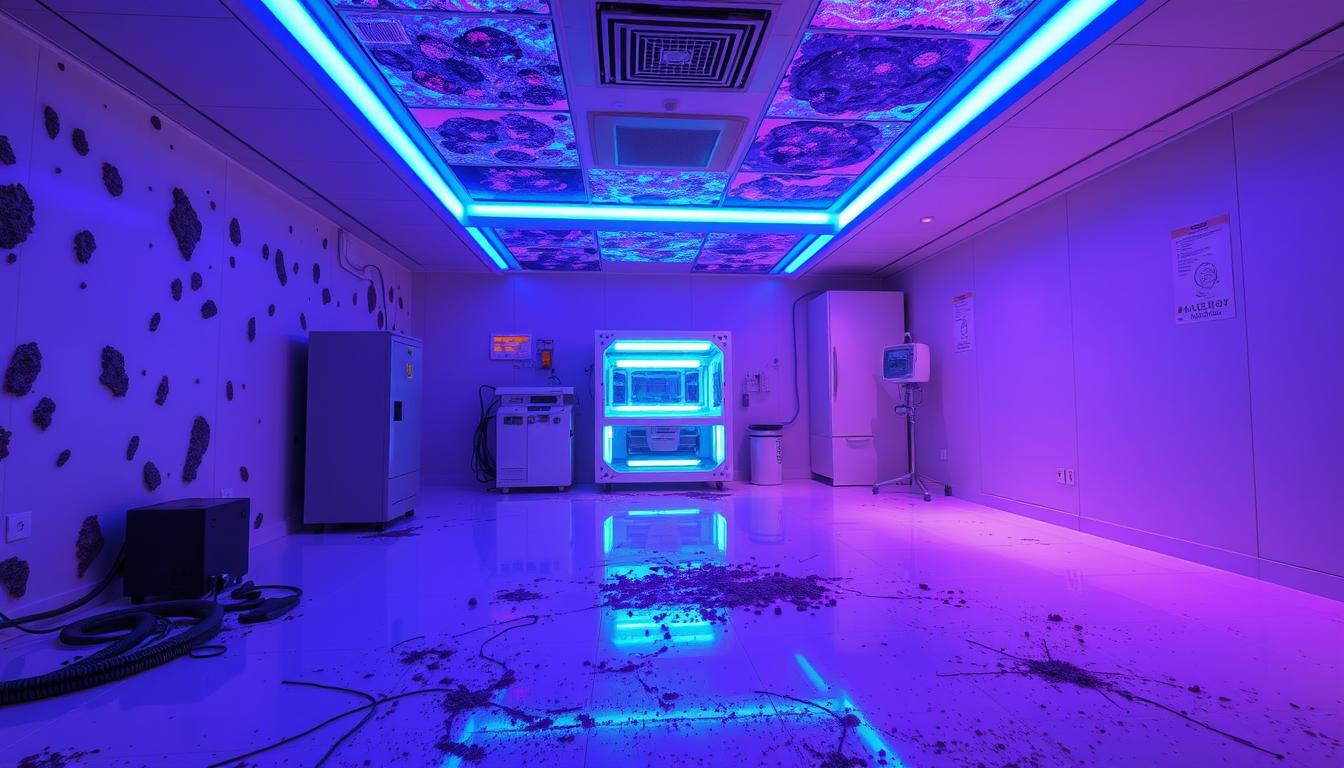
Common Symptoms of Mold Allergies
Recognizing the symptoms of mold allergies is the first step toward finding relief. The symptoms can vary from person to person, but some common ones include:
- Itchy, watery eyes
- Persistent cough or wheezing
- Skin rashes or irritation
- Difficulty breathing
If you experience these symptoms, especially in damp areas, it might be time to consider mold removal as a solution for relief.
How Mold Affects Your Health
Mold can trigger various health problems, particularly for those with asthma or other respiratory issues. When mold spores are inhaled, they can exacerbate these conditions, leading to more serious health risks. It’s not just about discomfort; long-term exposure can lead to chronic health issues.
Moreover, mold can grow inside your home without you even noticing! This makes it vital to perform regular checks and address any damp areas promptly. If you're concerned about keeping your home mold-free, searching for mold prevention near me is a smart first step to safeguard your health and property.
Steps for Effective Mold Removal
When dealing with mold removal, it’s important to have a systematic approach. Here’s a step-by-step guide to ensure you handle the situation effectively:
- Identify the source of moisture.
- Wear protective gear like gloves and masks.
- Use a mixture of water and soap to scrub surfaces.
- Apply a mold-killing solution if necessary.
Following these steps can lead you to a cleaner, mold-free environment, allowing you to breathe easier!
Preventing Mold Growth
After removing mold, prevention is key to ensuring it doesn’t return. Here are some practical tips:
- Keep humidity levels below 50%.
- Use dehumidifiers in damp areas.
- Ensure proper ventilation in bathrooms and kitchens.
- Regularly check for leaks and repair them immediately.
These practices can significantly reduce the risk of mold regrowth, helping maintain a healthier living space.
When to Seek Professional Help
While some mold issues can be handled at home, others may require professional intervention. If the mold covers a large area or if you experience severe allergic reactions, it’s best to call in experts. For trusted professionals, consider visiting moldremediatorsusa.com/ to find experienced mold remediation specialists near you.
Professionals have the tools and knowledge to effectively remove mold and ensure that it doesn’t return. It’s worth considering if you want long-lasting relief from mold allergies!
Conclusion
Mold removal is essential for anyone suffering from allergies. By understanding the symptoms, tackling mold promptly, and taking preventive measures, you can create a healthier environment. Don’t let mold dictate your health—take action today!
For those experiencing allergic reactions, remember that relief is just a step away. You can regain control of your home and your health with the right approach!
For professional mold remediation services or to schedule an inspection, don’t hesitate to Contact Us:Phone: 1-855-947-6167
Email: admin@moldremediatorsusa.com
Address: 99 Hudson St, New York, NY 10013, USA
FAQs about Mold Removal for Allergy Relief
1. What are the common symptoms of mold allergies?
The common symptoms include itchy, watery eyes, persistent cough or wheezing, skin rashes or irritation, and difficulty breathing.
2. How does mold affect health?
Mold can trigger various health problems, especially for those with asthma or respiratory issues, and long-term exposure can lead to chronic health issues.
3. What are the steps for effective mold removal?
The steps include identifying the source of moisture, wearing protective gear, cleaning surfaces with soap and water, and applying a mold-killing solution if necessary.
4. How can I prevent mold growth in my home?
Prevent mold growth by keeping humidity levels below 50%, using dehumidifiers, ensuring proper ventilation, and regularly checking for and repairing leaks.
5. When should I seek professional help for mold issues?
You should seek professional help if the mold covers a large area or if you experience severe allergic reactions, as experts have the tools and knowledge to effectively remove mold.
6. Can mold allergies cause severe discomfort?
Yes, mold allergies can cause severe discomfort, with symptoms that can significantly impact daily activities and overall well-being.
7. Is regular checking for mold necessary?
Yes, regular checks for mold are necessary to identify and address damp areas promptly, helping to prevent long-term health risks associated with mold exposure.
Comments
Post a Comment